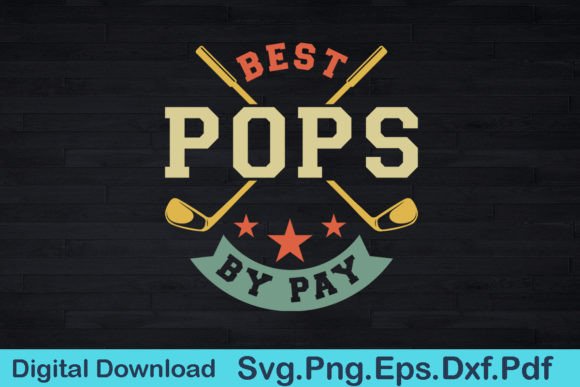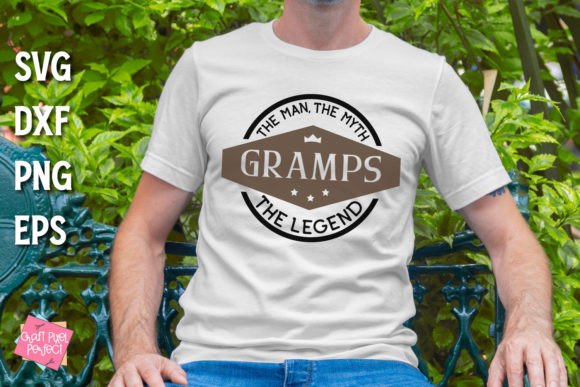
Reviewing Gramps the Man, Funny Pawpaw Svg for Embroidery
As a designer who has spent countless hours digitizing and stitching out files for clients, I have learned that not every graphic translates well to thread. When I first encountered Gramps the Man, Funny Pawpaw Svg, my initial reaction was one of cautious optimism. The phrase "The Man, The Myth, The Legend" is a staple in the gift market, but its success relies entirely on execution. For those of us running a craft business or selling on platforms as an Etsy seller, finding a design that balances humor with technical stitchability is crucial. This review breaks down how this specific digital embroidery file holds up when moved from a screen to a real-world embroidery project.
First Impressions and Visual Personality
The mood of this design is immediately clear: it is celebratory, masculine, and lighthearted. It targets the grandfather figure who takes pride in his role but doesn’t take himself too seriously. Visually, the layout typically features bold typography paired with iconic imagery. In the context of Crafts and Graphics, this type of design needs strong lines to remain legible after stitching. My primary concern with any text-heavy SVG converted for embroidery is the thickness of the strokes. If the lines are too thin, they disappear into the fabric; if they are too thick, the stitch density becomes unmanageable, leading to puckering.
Upon inspecting the file structure within the ZIP folder, I look for clean paths. A messy vector will result in a messy stitch file. For Gramps the Man, Funny Pawpaw Svg, the visual personality suggests it belongs on items that are meant to be worn proudly, such as a sweatshirt embroidery piece or a structured cap. It is not a delicate, subtle accent; it is a statement piece. This distinction matters because it dictates where you should place it on a garment and what kind of thread colors will provide the necessary contrast.
Real-World Application: The Custom Tote Test
To evaluate this design properly, I simulated a common scenario for a small shop product: a custom embroidered tote bag for a Father’s Day promotion. Tote bags are often made of canvas or heavy cotton, which provides a stable base for stitching. However, the texture of the fabric can swallow fine details. I imagined placing the "Legend" portion of the design on the front panel. The bold nature of the text works in our favor here. Unlike intricate floral patterns that require high-resolution digitizing, this design relies on shape and weight.
If you are creating a personalized gift using this file, consider the scale. On a tote, the design needs to be large enough to be read from a distance. On a baby embroidery item, such as a onesie, the same design would need to be significantly scaled down, which raises red flags regarding readability. I would advise against using this specific layout on infant clothing unless the text is simplified, as the small hoop size limits how much detail can be retained without compromising the integrity of the running stitch outlines or fill stitch areas.
Performance on Different Fabrics
One of the most critical aspects of reviewing a machine embroidery design is understanding its behavior on various materials. For custom apparel like t-shirts, which are often stretchy and thin, this design requires careful handling. The bold elements suggest a need for a robust stabilizer. Without proper backing, the weight of the thread could distort the fabric, especially around the curved letters often found in these types of fonts.
For an embroidered patch, however, this design shines. Patches allow for higher stitch density because they are stitched on a stiff backing before being applied. If you are looking to create boutique branding or merchandise for a craft fair, turning this SVG into a patch adds perceived value. It feels durable and professional. Conversely, on dark fabrics, you must ensure your digitized version uses sufficient underlay stitches to prevent the background color from showing through the lighter top threads. A quick test in black and white mockups can reveal if the contrast is sufficient before you waste expensive thread.
Technical Considerations for Designers
Before loading this into your machine, there are several practical steps to take. Since this listing is for a DIGITAL FILE and comes in a ZIP folder, you must verify the included formats match your machine. Common formats include PES, DST, and JEF, but you should confirm compatibility. More importantly, check the stitch count if provided, or estimate it based on the size. High-density areas, such as the solid parts of the letters or any accompanying icons, may require a satins stitch approach rather than a fill to reduce bulk.
- Test on scrap fabric: Always stitch a sample on the same material you intend to use for the final product. This reveals tension issues and registration errors.
- Check hoop size: Ensure the design fits comfortably within your hoop with adequate margin for clamping. Crowding the edges leads to misalignment.
- Inspect small details: Zoom in on the digital preview. Are there tiny isolated stitches that might jump or break? These should be removed or merged.
- Verify licensing: As a commercial embroidery asset, confirm whether the license allows for unlimited sales of finished physical goods. Most SVG licenses differ from embroidery file licenses.
Enhancing Product Value and Customer Trust
Using a well-executed design like Gramps the Man, Funny Pawpaw Svg can significantly boost buyer engagement. Customers are drawn to clarity and professionalism. A sloppy stitch-out suggests a lack of care, while a crisp, clean design builds trust. For holiday embroidery projects, such as Christmas gifts for grandfathers, the emotional connection is already there; your job is to ensure the physical product matches the sentiment.
When creating printable mockups for your online store, show the design on realistic textures. A flat digital image does not convey the tactile quality of thread. Show the design on a textured towel or a heathered sweatshirt to give customers a true sense of the finished product. This transparency reduces returns and increases satisfaction. Furthermore, consistent use of high-quality design assets helps establish your brand identity. If your portfolio is filled with clear, well-stitched items, customers will associate your shop with reliability.
Final Verdict for Craft Entrepreneurs
In conclusion, Gramps the Man, Funny Pawpaw Svg is a viable candidate for your next embroidery file library addition, provided you approach it with technical diligence. It is best suited for medium to large applications on stable fabrics like canvas, denim, or heavyweight cotton blends. It may struggle on delicate silks or highly stretchy performance fabrics without extensive stabilization and testing.
For the creative entrepreneurs and hobbyists reading this, remember that the SVG is just the starting point. The magic happens in the digitizing and the stitching process. Take the time to adjust the stitch density, choose the right thread colors, and select the appropriate hoop size. By treating this digital asset with the respect it deserves, you can transform a simple graphic into a cherished handmade product that brings joy to recipients and revenue to your business. Always prioritize quality over speed, and let the design speak for itself through precise craftsmanship.