Reviewing the Funny Mom Dog MAMA SVG for Embroidery
As a designer who spends more time staring at stitch simulations than I care to admit, I have learned that not every cute graphic translates well to thread. When I first opened the Funny Mom SVG Design- Dog MAMA files, my initial reaction was one of cautious optimism. The concept is undeniably charming, tapping into the massive market of pet parents who treat their dogs like children. However, charm alone does not make a viable machine embroidery design. I needed to know if this asset would hold up under the needle, especially when applied to real-world products for my clients and my own craft business.
First Impressions and Visual Personality
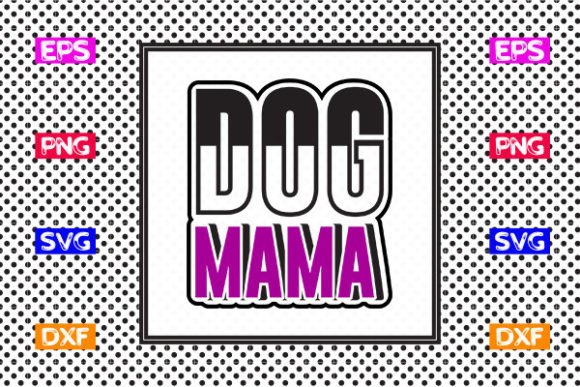
The layout of this design strikes a balance between playful typography and illustrative elements. For those of us working in Crafts and Graphics, we know that text-heavy designs can be tricky. The word "MAMA" suggests a bold, central focus, while the dog element adds personality. In its digital form, the lines look clean, but the true test is always how those vectors convert into satin stitch or fill stitch paths. The mood is lighthearted and affectionate, making it an ideal candidate for personalized items where emotional connection drives the sale. It feels less like a generic clipart addition and more like a statement piece for a proud dog owner.
Real-World Application: The Tote Bag Test
To evaluate practicality, I mentally placed this design on a canvas tote bag, a staple for any Etsy seller or boutique owner. Canvas provides a stable base, which is crucial for maintaining the integrity of the lettering. If the stitch density is too high, the fabric might pucker; if it is too low, the backing might show through. Assuming proper digitizing, this design would sit nicely on a medium-weight tote. The contrast between the thread colors and the natural canvas would likely be high, ensuring readability from a distance. This is key for a handmade product that needs to catch the eye at a craft fair or in an online thumbnail.
I also considered its use on a sweatshirt embroidery project. Here, the texture of the fleece becomes a factor. The design needs enough substance to not get lost in the pile of the fabric. If the dog illustration relies heavily on fine running stitch details, they might disappear. However, if the design uses broader shapes and solid fills, it would pop beautifully against a heather grey or navy sweatshirt, creating a cozy, custom look that customers love for holiday embroidery gifts.
Navigating Fabric and Hoop Constraints
While the design is versatile, there are scenarios where caution is required. Using this on a cap or curved surface demands careful attention to hoop size and stabilization. Curved surfaces distort designs, so the proportions of the "MAMA" text must remain legible even when stretched over a crown. Similarly, applying this to thin or stretchy fabrics like jersey t-shirts requires a robust stabilizer strategy. Without proper support, the weight of the threads could cause the garment to sag or warp after washing.
For baby embroidery items, such as onesies or burp cloths, the softness of the thread and the density of the stitch matter immensely. A dense design can feel stiff and uncomfortable against sensitive skin. If this embroidery file includes dense fill areas, I would recommend testing it on scrap fabric first to ensure the hand-feel remains soft. Additionally, small details in the dog’s face or ears need to be checked for clarity. Tiny elements can easily become a tangled mess if the needle jumps are not optimized or if the thread color contrast is insufficient.
Commercial Viability and Brand Consistency
For commercial embroidery projects, consistency is king. When selling finished items or digital assets, the quality of the stitch-out reflects directly on your brand. A clean, professional finish builds customer trust. This design, with its clear theme, fits well into niches like pet boutiques, mom-and-me apparel lines, or seasonal gift collections. It allows for customization, such as adding a dog’s name below the main graphic, which increases the perceived value of the personalized gift.
However, before listing this as a small shop product, you must verify the licensing terms. The product description mentions EPS, SVG, PNG, and DXF files, which are standard for cutting machines and digital printing, but it is essential to confirm if these files are optimized for embroidery machines or if they require manual digitizing. If they are pre-digitized embroidery files, check the compatibility with your specific machine software. If they are vector graphics intended for cutting, you will need to convert them into an applique design or stitch file, which requires additional skill and time.
Practical Designer Notes for Best Results
Before committing to a full production run, follow these steps to ensure success:
- Test on Scrap Fabric: Always stitch out a sample on the same material you plan to use for the final product. This reveals issues with tension, density, and registration.
- Check Thread Contrast: Use a color chart to select threads that stand out against your fabric. High contrast improves readability, especially for the text elements.
- Inspect Small Details: Zoom in on the digitized file to check for tiny stitches or complex jumps that might cause thread breaks or bird nests.
- Verify Hoop Size: Ensure the design fits comfortably within your hoop, leaving enough margin for clamping without stitching over the hoop edge.
- Mockup Testing: Create black and white mockups to see how the design reads without color. If it loses definition in grayscale, it may lack sufficient contrast in real life.
- Confirm Licensing: Double-check the license agreement for the digital embroidery file to ensure you are allowed to sell finished physical products or if there are restrictions on commercial use.
Final Verdict on Usability
The Funny Mom SVG Design- Dog MAMA offers strong potential for creators looking to tap into the pet lover market. Its strength lies in its emotional appeal and clear thematic focus. However, its success depends entirely on execution. Whether you are creating an embroidered patch, a kitchen towel, or a custom apparel line, the technical preparation is just as important as the aesthetic choice. By paying attention to fabric texture, stabilizer choice, and stitch density, you can transform this digital asset into a high-quality finished product that resonates with buyers. For design assets in your library, this piece serves as a reminder that even simple concepts require rigorous technical validation to shine in the physical world.