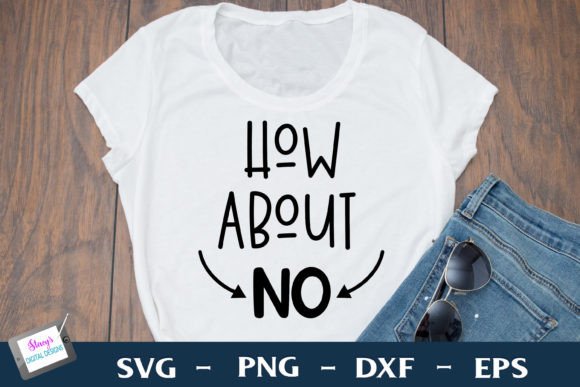
Reviewing the How About No SVG Funny Quote for Stitching
As an embroidery designer who has spent countless hours digitizing and stitching out files, I have learned that a design’s appeal on a screen does not always translate to the hoop. When I first encountered How About No SVG Funny Quote, my initial reaction was one of amusement mixed with professional curiosity. The phrase itself carries a bold, sarcastic weight that resonates with modern humor, but the real question for any serious crafter or Etsy seller is whether the visual execution supports the attitude of the text. Does it stitch cleanly? Does it hold up on textured fabrics? And most importantly, will it elevate a handmade product or just add bulk?
First Impressions and Visual Personality
The mood of this design is unapologetically direct. In the world of Crafts and digital Graphics, sarcasm sells because it feels authentic. The layout appears straightforward, which is often a blessing for embroidery. Complex scripts or overly decorative borders can turn into a nightmare of thread breaks and puckering, especially on smaller items. This design seems to rely on clarity, making it a strong candidate for projects where readability is key. The visual personality suggests it belongs on items meant to be seen and read quickly, such as tote bags, caps, or the chest area of a sweatshirt.
When evaluating a file like this from Stacy’s Digital Designs, I look at the balance between negative space and filled areas. A funny quote needs breathing room. If the letters are too tight, the satin stitches might merge, turning distinct characters into a blob of thread. From a reviewer’s standpoint, the simplicity here is a strength. It allows the message to stand out without requiring excessive stitch density, which keeps the finished product softer and more wearable.
Real-World Application: The Custom Tote Bag Test
To truly understand how How About No SVG Funny Quote performs, I imagined a specific real-life scenario: creating a custom embroidered tote bag for a local boutique client. Tote bags are typically made from canvas or heavy cotton, fabrics that can handle a decent amount of stitching but still show puckering if the stabilizer is wrong.
In this context, the design would likely serve as the central focal point. Using a standard hoop size, I would test the design with a medium-weight cut-away stabilizer to ensure the fabric remains flat. The sarcastic tone of the quote pairs perfectly with the utilitarian nature of a tote, adding a layer of personality to a basic item. For an Etsy seller, this kind of handmade product has high giftability. It is not just a bag; it is a statement piece. Customers looking for personalized gifts often seek items that reflect their sense of humor, and this design delivers that without being overly aggressive.
Versatility Across Product Lines
Beyond tote bags, this design shows promise for various other applications. Consider sweatshirt embroidery. A crewneck sweatshirt provides a large, stable surface area. Here, the design could be scaled up slightly to create a bold chest print effect. The contrast between the soft fleece and the structured thread adds tactile value. For custom apparel like t-shirts, however, caution is needed. Thin jersey fabrics require careful attention to stitch density. If the design is too dense, it will pull the fabric and distort the garment after washing.
Another viable option is the embroidered patch. Patches are trending in the craft business world because they allow customers to customize existing garments. This quote would work well on a twill or felt backing, where the stitch definition remains crisp regardless of the base fabric. It also fits nicely into the category of holiday embroidery or gag gifts, where the humor is the primary selling point. Whether for a white elephant exchange or a birthday present, the design’s clarity ensures the joke lands immediately.
Technical Considerations for Embroidery Designers
While the concept is strong, technical execution determines the quality of the finished product. Since the provided information indicates the zip file includes SVG, EPS, PNG, and DXF formats, it is crucial to note that these are primarily vector and image formats often used for cutting machines or printing. For machine embroidery, you typically need specific file types like PES, DST, or JEF. If you are using this design for embroidery, you may need to digitize it yourself or convert it using specialized software, unless a specific embroidery file format is also included or available separately. Always check the license terms before converting or selling.
If you are digitizing this from the SVG or using a pre-digitized version, pay close attention to the following:
- Stitch Density: Ensure the fill stitch or satin stitch settings are appropriate for the font size. Too dense, and the fabric pucker; too light, and the background shows through.
- Thread Colors: Test the design in high-contrast combinations. A dark thread on a light fabric works best for readability. Avoid low-contrast pairings like grey on white, which can make the text hard to decipher from a distance.
- Small Details: Inspect any punctuation or small serifs in the font. Tiny details can get lost in stitching. You may need to simplify certain elements or increase the minimum stitch length to prevent thread breaks.
- Hoop Size: Confirm the design fits within your standard hoops. A design that requires re-hooping increases production time and risk of misalignment.
Fabric and Surface Challenges
Not all surfaces are created equal. On textured fabrics like terry cloth towels or fluffy blankets, the design might lose definition. In such cases, using a topping stabilizer can help keep the stitches on top of the pile. For stretchy fabrics, a cut-away stabilizer is non-negotiable to prevent distortion. Curved surfaces, such as caps, require careful placement. The center of the cap is the safest zone; moving too far to the side can cause the design to wrap awkwardly around the curve, distorting the text.
Dark fabrics present another challenge. If the design uses light threads, ensure there is no gap in the coverage that reveals the dark fabric underneath. A solid fill stitch is usually safer than a running stitch for the main text body on dark materials. Always run a test stitch on scrap fabric of the same type before committing to the final product. This step saves time, thread, and customer trust.
Commercial Value and Brand Consistency
For small shop owners and creative entrepreneurs, the value of a design lies in its ability to generate sales while maintaining brand consistency. How About No SVG Funny Quote offers a versatile asset that can be used across multiple product lines, from mugs (if using the PNG for sublimation) to shirts (if properly digitized). Its sarcastic tone appeals to a broad demographic, making it a reliable seller for everyday items rather than just seasonal trends.
Using high-quality design assets like this helps build a reputation for professionalism. When customers receive a well-stitched, clear, and humorous item, they are more likely to leave positive reviews and return for future purchases. It reinforces the idea that your brand understands both quality craftsmanship and contemporary culture. Whether you are creating a printable mockup for your online store or stitching the actual item, the clarity of this design supports a polished presentation.
In conclusion, this design is a practical choice for those who value humor and simplicity. By paying attention to technical details like stabilizer choice, thread contrast, and fabric type, you can transform a simple digital file into a high-value handmade product. Always verify the specific file formats and licensing permissions provided by Stacy’s Digital Designs to ensure you are compliant for commercial use. With the right preparation, this quote can become a staple in your embroidery portfolio.